Few air conditioning repairs have a price range as wide as a leaking coil. The quote in front of you could read anywhere from $600 to $2,500, for what sounds like a single part, and both ends of that can be perfectly honest.
That spread exists because your air conditioner has two coils rather than one. Each is a grid of thin metal tubing with fins on it, and heat moves through them on its way out of the house. One sits indoors in the air handler, the cabinet that blows your air, and the other sits outdoors in the condenser unit. AC coil replacement cost splits by which of the two failed, and they are nowhere near the same price.
Which coil failed settles the number, and a quote often does not say which one it is. You can work that out yourself from where the trouble shows up, indoors or outdoors, and that check is below. It takes a minute, and it tells you whether the price in front of you is the right one.
By the end you will know what each coil costs in South Florida, how to tell which of the two is failing, what pushes the price up, when a leak can be repaired instead of replaced, and the test for when the whole system should go instead.
If what you are actually being quoted is the whole outdoor cabinet rather than the coil inside it, or the compressor, those are separate jobs at separate prices.
AC coil replacement cost in 2026
Short answer, since that is why you came. Which of the two coils failed decides the price, and the outdoor one costs more than the indoor one. Each is priced in its own section below, parts and labor included. A system running the older R-22 refrigerant costs more than either, because R-22 is no longer made.
This job goes by several names, and they are not all different jobs. An HVAC coil replacement cost, an air conditioner coil replacement cost, and an air handler coil replacement cost all describe the same indoor part: the evaporator coil. A condenser coil is the outdoor one. Prices below are South Florida market estimates for 2026, not quoted Florida Breeze prices.
Evaporator coil replacement cost
$600 to $1,500 on an R-410A system. $1,200 to $2,200 on an older R-22 system.
The evaporator coil is inside your indoor air handler, the cabinet holding the fan that pushes air through your vents. Refrigerant, the chemical that carries heat out of the house, picks up that heat here. When the coil leaks, corrodes, or ices over, the system loses cooling and runs without satisfying the thermostat. The labor is the expensive half: reaching the coil means opening tight air handler housing.
Condenser coil replacement cost
$900 to $2,500.
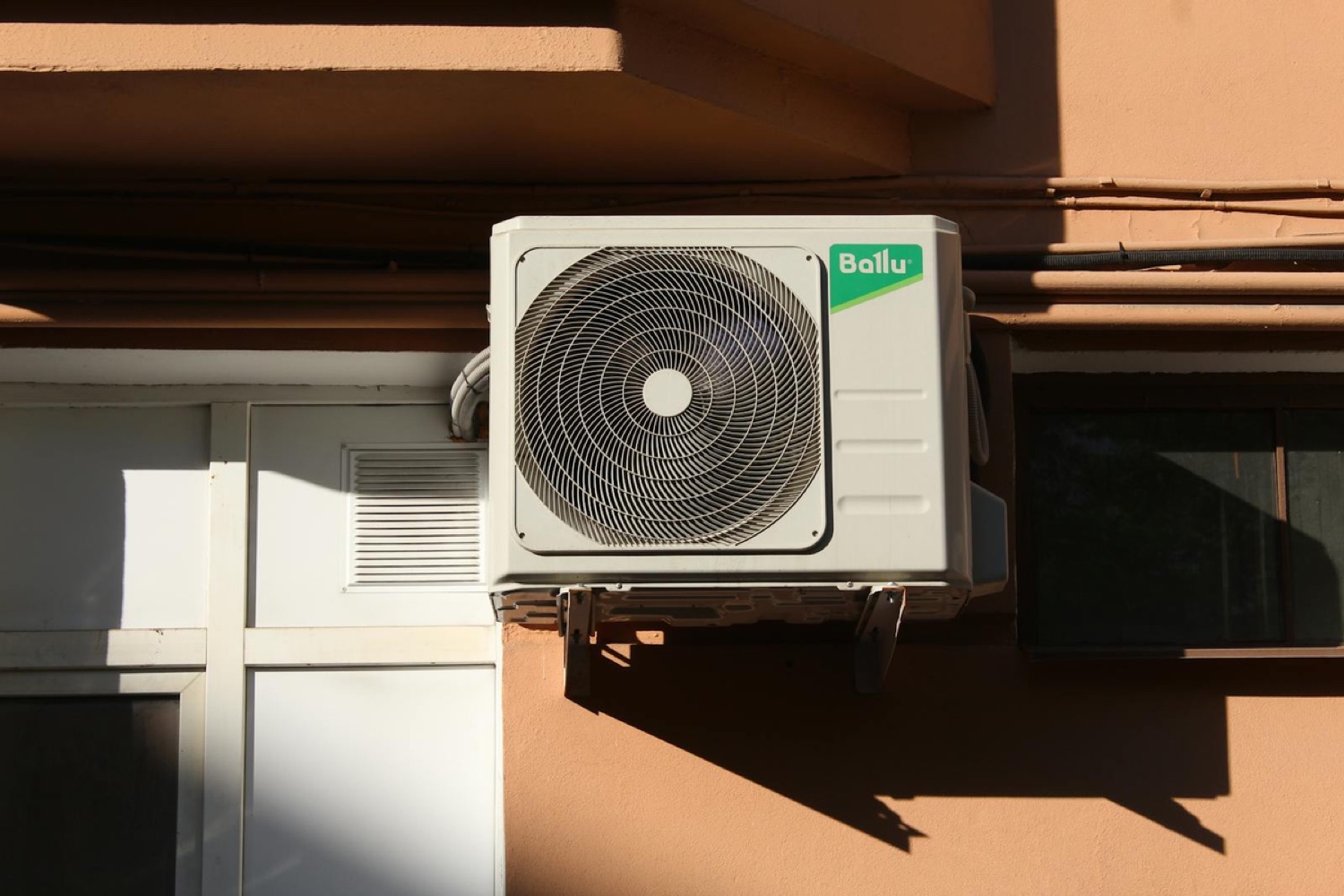
The condenser coil lines the inside walls of the outdoor cabinet and dumps the collected heat into the outside air. Access is easier than indoor work, but the part itself is larger and costs more.
Coil replacement cost by tonnage
Here is what moves the number. Tonnage is the size of your system. Most South Florida homes run 3 to 5 tons. A bigger coil holds more metal and more refrigerant, so it costs more to buy and more to charge. A 5 ton AC coil replacement cost sits at the top of both ranges below, and a 2 ton at the bottom.
- 2 ton: $600 to $1,100 evaporator, $900 to $1,500 condenser coil
- 3 ton: $750 to $1,300 evaporator, $1,100 to $1,900 condenser coil
- 4 ton: $900 to $1,400 evaporator, $1,300 to $2,200 condenser coil
- 5 ton: $1,000 to $1,500 evaporator, $1,500 to $2,500 condenser coil
Coil leak repair cost
$200 to $700 where the damage is small and local.
Repair means welding a single pinhole leak shut, cleaning a blocked coil, or straightening bent fins. It is worth trying on a newer coil. On a coil that is already corroded in several places, a patch buys months, and most reputable shops here will say so rather than sell it to you.
How to tell which coil is failing
Here is how the two sets of symptoms separate, because knowing which one you have tells you which price range applies.


The indoor coil announces itself with ice and water: ice on the cabinet or the copper lines, weak airflow behind a clean filter, and a pan that cannot keep up. The outdoor coil shows damage you can see, mostly corrosion on the fins, and it tends to shut the system down on the hottest part of the afternoon.
If the outdoor unit has failed in more places than the coil, read our condenser replacement guide, because replacing the whole cabinet is a different decision with its own federal rules attached.
What drives AC coil replacement cost
- Refrigerant type. R-410A coils are stock items at local wholesalers. R-22 coils are getting hard to find, and the old refrigerant has to be recovered first. Expect 30 to 60 percent more on an R-22 system.
- Tonnage. A 5-ton coil costs roughly 1.5 times a 2-ton coil.
- Brand. A factory coil for Carrier, Trane, or Lennox costs more than a universal one. The factory part is usually worth it while the unit is under ten years old, because it keeps the warranty intact.
- Salt-resistant coating. Worth specifying within a mile of the ocean or Biscayne Bay. It adds $150 to $400.
- Refrigerant recharge. Every coil job means recovering and recharging. R-410A runs about $60 to $110 a pound installed, and R-22 runs $100 to $200. A three-ton system holds roughly 6 to 10 pounds, so this is a real share of the bill. Our Freon cost guide breaks the refrigerant side down.
- Labor. South Florida rates run $90 to $150 an hour. An evaporator coil takes 4 to 6 hours, a condenser coil 2 to 4.
Coil replacement or whole system: the test
Use the age-times-cost test from our AC repair cost guide. Multiply the age of the system by the repair cost. Over $5,000 means replace the system instead.
- 3-year-old system, $800 evaporator coil. 3 × 800 = $2,400. Replace the coil.
- 5-year-old system, $1,200 evaporator coil. 5 × 1,200 = $6,000. Borderline, so check the warranty first.
- 8-year-old system, $1,500 condenser coil. 8 × 1,500 = $12,000. Replace the system.
- 12-year-old R-22 system, $2,000 coil plus $400 refrigerant. 12 × 2,400 = $28,800. Stop spending on it.
Our repair or replace guide covers the wider decision.
What changed for coil jobs in 2026
Two things moved, and both matter to a quote you are reading this year.
New equipment is now built around R-454B refrigerant rather than R-410A, which we covered in R-454B vs R-410A. Your existing R-410A system is still legal to own, service, and repair, so a coil replacement on it remains an ordinary job. What is shrinking is the supply of new matched equipment for older systems, which pushes some borderline decisions toward full replacement.
R-22 is the harder case. Production and import of it ended on January 1, 2020, and after that date only recovered, recycled, or reclaimed supply remains available. That is the wording of the Environmental Protection Agency, which is the federal agency that regulates refrigerants, in its own phase-out brochure. Salvaged stock is why R-22 now runs $100 to $200 a pound, which puts $400 to $700 of refrigerant into a coil job before anyone touches the coil.
Where that comes from. The R-22 supply position is quoted from the Environmental Protection Agency's own phase-out brochure, not from a supplier's price sheet. The per-pound figures are what South Florida homeowners are being billed in 2026, and we keep them consistent with our refrigerant guide rather than quoting a different number on each page.
Why coils fail early in South Florida
Two local conditions shorten coil life here, and both are worth naming before you buy the same part twice.
Salt. Airborne salt pits the aluminum fins on an outdoor coil, and the pitting spreads until the fin stops moving heat. On uncoated units within about a mile of the ocean or Biscayne Bay, we routinely replace condenser coils at year 7 or 8, well before the same part would fail inland. That is our field experience across Miami-Dade, Broward, and Palm Beach rather than a published figure. It is why we spec a coated coil on coastal homes, because it is the cheapest way to avoid buying the same part twice.
Runtime. A system that runs most of the year moves far more air across the indoor coil than one that rests for five months. More air means more dust and more mold settling on a wet surface, so indoor coils here need cleaning more often to reach the same age.
Red flags on a coil quote
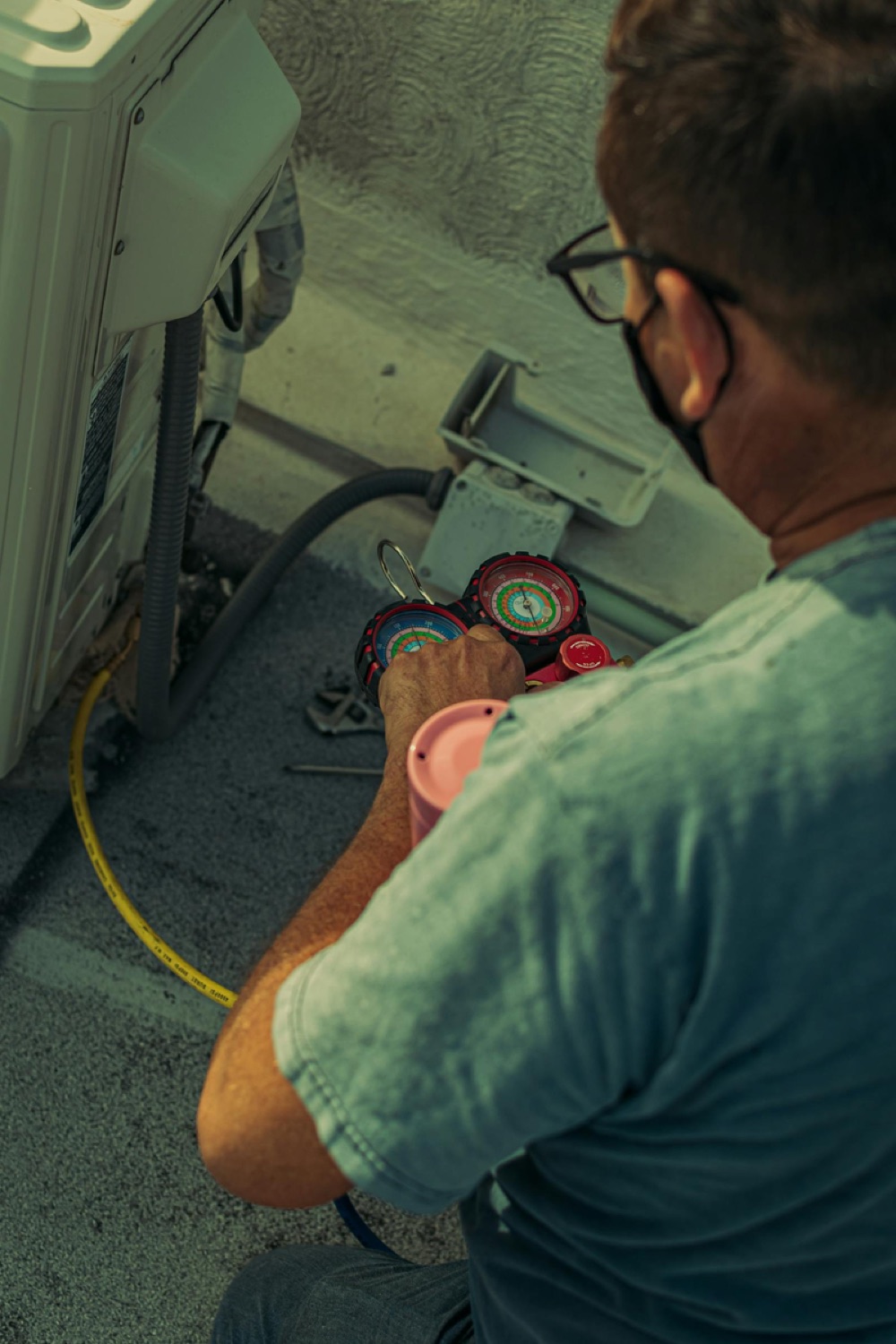
- A price before a diagnosis. Quoting a coil without measuring refrigerant pressures or leak-testing is guessing. Ask for the written diagnosis first.
- "We will just add refrigerant." On a leaking coil, topping it off sends the new refrigerant out the same hole. Charging a system without finding the leak is not a repair.
- No warranty check. Most major brands cover coils for ten years when the unit was registered. A good contractor checks that before quoting and tries to get the part covered.
- No coated option on a coastal home. If the original coil died at year 7 from salt and your contractor does not raise a coated replacement, they are not reading your address.
- Cash-only or today-only pricing. Real contractors take cards and give you a quote that stays valid for 30 to 60 days.
How we handle a coil replacement
Florida Breeze HVAC is licensed in Florida as CAC1823982 and works across Miami-Dade, Broward, and Palm Beach. We diagnose before quoting, so you get a written finding rather than a flat rate. We check warranty status before recommending a part, because a covered coil changes your number more than any discount will. We spec salt-resistant coatings on coastal homes. And where the numbers say a coil is the wrong purchase, we tell you that instead of selling you one.
Frequently Asked Questions
Is it worth replacing an AC coil or should I buy a new system?
Replace the coil if the system is under eight years old and the coil is the only real problem. Replace the system if it is ten years or older, has needed several repairs, or runs on R-22. Where those three answers disagree, the test in the section above decides it.
How long does AC coil replacement take?
An evaporator coil takes 4 to 6 hours and a condenser coil 2 to 4. Recovering and recharging refrigerant adds 1 to 2 hours either way, so plan on most of a day.
Are AC coils covered under warranty?
Most major brands carry a ten-year parts warranty on residential coils when the unit was registered within 60 days of installation. Labor is usually covered for one year only, which is why a covered coil still arrives with a bill. Have your contractor check the status before quoting.
What is the difference between evaporator and condenser coil replacement cost?
The outdoor coil is bigger and costs more to buy. The indoor one costs more to reach, so the total bills end up nearer each other than the part prices suggest.
Can I replace just the coil, or does the whole air handler have to go?
The coil alone is fine when the rest of the air handler is sound. On an air handler past about eight years, ask what the new coil is rated with. AHRI is the trade body that tests equipment pairings. It says a certified rating only counts when both halves are properly matched, so an unmatched pair can cost you efficiency and warranty coverage. On the outdoor side the question is governed by federal efficiency rules at 10 CFR 430.32(c)(6). CFR stands for the Code of Federal Regulations. We cover what it requires in the condenser guide.
Why is AC coil replacement expensive in South Florida?
Salt shortens outdoor coil life, so failures arrive earlier here. Year-round runtime dirties indoor coils faster. R-22 systems are still common and their refrigerant costs two to three times what R-410A does. Coastal homes also do better with a coated coil than a bare one.
If you have a coil quote and want a second opinion, we will diagnose it properly and tell you whether the coil is the right purchase. Request a free written estimate or call 954-687-8624.
$0 Down Financing
No credit needed. Everyone approved.
Start the work now and pay over time.
954-687-8624Related Articles
Explore Our HVAC Services
Serving Miami, Broward, and Palm Beach, ask about our $0 down financing, no credit needed, everyone approved.
Need HVAC Service?
Florida Breeze HVAC serves Miami, Broward, and Palm Beach with fast, professional service.