A clogged AC drain line is the number one reason Florida homes get a sudden ceiling water stain or an AC that shuts itself off mid-day. In a humid climate, algae and biofilm grow inside the white PVC condensate line every season, and once the line backs up, condensate water has nowhere to go but onto your floor, into your air handler, or out through a safety-switch shutoff. This guide covers the six signs of a clogged AC drain line, how to unclog it yourself with a shop vacuum in 15 minutes, and the situations where the symptoms point to a bigger problem you should hand off to a pro. Routine AC tune-up service clears the line before it ever backs up, and a recurring clog can be a sign you need professional AC repair.
What the AC drain line does (and why it clogs in Florida)
Every central AC system has a hidden plumbing job. As warm indoor air passes over the evaporator coil, moisture condenses out of it. That water collects in a drain pan under the coil, then flows out of your home through a short run of white PVC pipe called the condensate drain line. In peak summer, a single Florida home can produce 15 to 30 gallons of condensate water per day. That's a lot of water moving through a 3/4-inch pipe that's usually buried in dust, dim light, and warm air.
A coil that has frozen over sends a lot of that water at the pan at once, which is why a thaw is often what turns a slow line into an overflowing one. Florida's combination of high humidity and constant runtime makes the line a perfect breeding ground for algae and biofilm. Within a season, that biofilm thickens enough to slow the flow. Within two seasons, it can block the line entirely. This is why clogged condensate drain lines are one of the most common service calls we see across Miami-Dade, Broward, and Palm Beach.
6 signs your AC drain line is clogged
If you're searching ac drain line clogged symptoms, here are the six signals we see most often on Florida service calls. One sign is enough to investigate. Two or more, and you're almost certainly looking at a clogged line.
1. Water dripping or pooling near the indoor air handler
The most obvious symptom. If your air handler sits in a closet, garage, or laundry room, you'll see water on the floor under it. If it's in the attic, you'll see a water stain on the ceiling below. Either way, the drain pan is overflowing because the line isn't carrying water away.
2. AC turns on but doesn't cool (float switch shutoff)
Most AC systems installed in Florida after 2010 have a small float switch inside the drain pan. When the pan fills with water, the float rises and cuts power to the system to prevent flooding. The thermostat still reads correctly, but the unit doesn't blow cold air, doesn't run, or runs only briefly before shutting back down. If your system is running but not cooling, that guide walks the safe checks to try first, and for the broader list of why an AC might stop cooling, see our 7 signs your AC system needs repair.
3. Brown ceiling stain below an attic air handler
Florida homes with the air handler in the attic show drain line clogs as a brown or yellow water stain on the ceiling of the room directly below. By the time the stain is visible, the drain pan has been overflowing for hours or days. This is the most expensive form of "ignored the drain line" because the drywall usually has to come out.
4. Musty or moldy smell from the vents
Standing water in the drain pan plus a closed, humid air handler equals mold growth. Within a week, the mold spores get pulled into the supply air and you'll smell a musty, "wet basement" odor at every vent. This is also a health concern, especially for asthma or allergy sufferers. The fix is to clear the line and clean the pan, for serious mold cases that have already spread into the duct system, see our 5 steps to get rid of mold in air ducts.
5. Standing water in the drain pan
If you have access to your air handler, pop the cover and look. The drain pan should be either dry or have a thin film of water actively flowing toward the drain. Visible standing water, any depth at all, means the line is restricted or fully clogged.
6. No water coming out of the exterior PVC drain pipe on a hot day
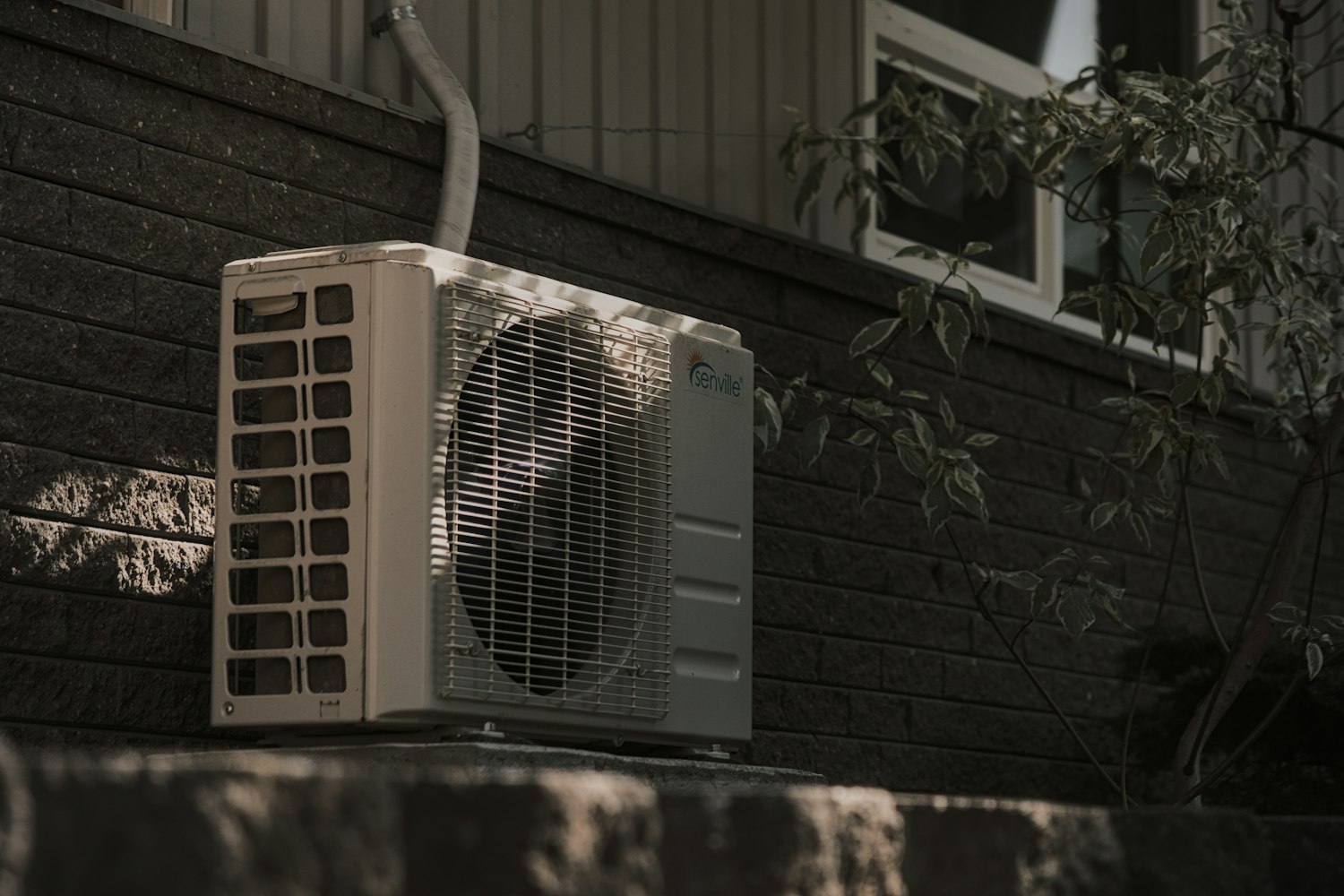
On a typical Florida summer afternoon with the AC running constantly, the exterior PVC drain pipe (usually somewhere on a side wall of the home, near the foundation, often above a small concrete pad) should be actively dripping or even pouring water. If it's bone dry on a 90-degree day with the AC running, the line is clogged upstream.
AC drain pan clogged vs drain line clogged: how to tell which one
People search both ac drain pan clogged and clogged ac drain line, they're related but different problems with different fixes.
- Drain pan clogged. Debris, biofilm, or rust has built up in the pan itself, blocking water from reaching the drain opening. The pan is full but the line below is clear. Fix: clean out the pan.
- Drain line clogged. The pan drains fine, but the PVC line downstream is blocked by algae or biofilm. Water sits in the pan because it has nowhere to go. Fix: clear the line.
- Drain pan rusted through. On older systems (12+ years), the metal drain pan can corrode and develop pinhole leaks. Water bypasses the drain entirely and drips through the bottom of the air handler. Fix: drain pan replacement, usually $300 to $700.
If you see standing water in the pan and no flow out the exterior line, you almost certainly have a clogged drain line (problem #2). That's the one the DIY shop-vac fix below handles.
How to clean a clogged AC drain line: the shop-vac method
For an AC drain pipe clogged with algae or biofilm, the standard fix takes 15 to 20 minutes and costs about $5 in vinegar plus a wet/dry shop vacuum you probably already own. Here's the method we walk Florida homeowners through:
- Turn off the AC at the thermostat AND at the breaker. Both. You don't want the system kicking on while you have the access ports open.
- Find the exterior end of the drain pipe. Walk the outside of your home. The condensate line is a small white PVC pipe (about 3/4 inch in diameter) that usually sticks out from a side wall near the foundation. There's often a small puddle or stain on the ground directly below it. If you can't find it, follow the route from your air handler outward.
- Connect a wet/dry shop vacuum to the open end. Use a vacuum-to-PVC adapter or just press the vacuum hose firmly against the pipe opening. Seal any gaps with duct tape or your hand.
- Run the vacuum for 2 to 3 minutes. You should hear the suction change tone when water and gunk start moving. Often a slug of dark, smelly water will hit the canister. That's the clog.
- Pour a cup of distilled white vinegar into the indoor access port. Most Florida air handlers have a T-shaped fitting on the drain line near the unit with a removable cap. Pour the vinegar in, replace the cap, and let it sit for 30 minutes. Vinegar kills the biofilm that caused the clog and helps prevent the next one.
- Turn the AC back on and verify flow. Within 10 minutes of running, you should see water actively dripping from the exterior pipe again.
This method handles 90% of routine drain line clogs in Florida homes. If it doesn't work the first time, try once more, sometimes the clog needs two passes. If the second pass still doesn't restore flow, it's time to call a pro.
When to stop DIY-ing and call a Florida HVAC pro
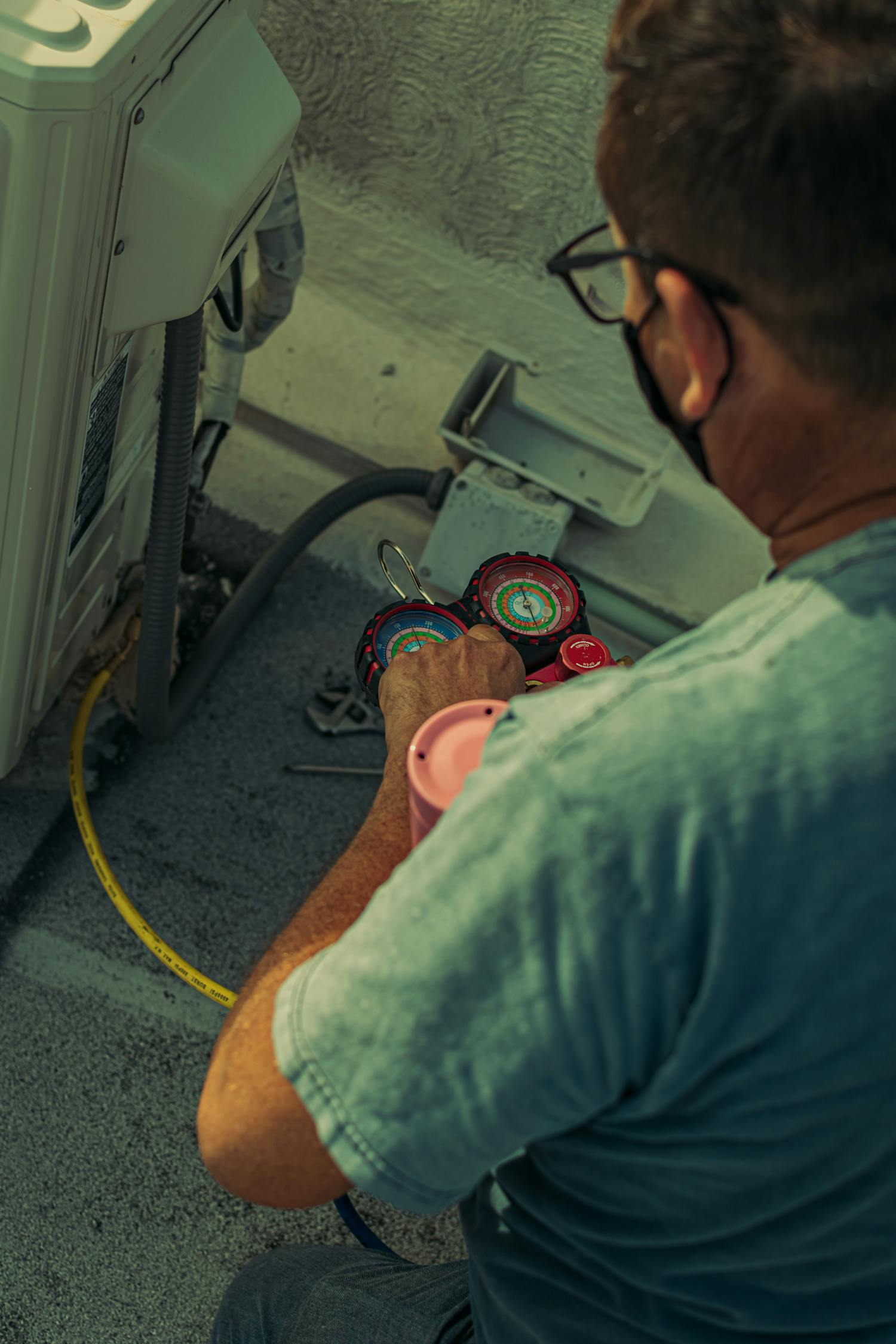
The shop-vac trick is great for routine clogs. But there are five situations where you should put the vacuum down and call a licensed HVAC company:
- You vacuumed the line and water still isn't flowing. The clog is either deeper in the system, in the drain pan itself, or your line has a sag where water is pooling. A pro can flush the line under pressure or inspect the route with a camera.
- The float switch keeps tripping even after the line is clear. Either the switch is stuck, the pan still has water in it, or there's a deeper issue with the condensate path.
- The drain pan has standing water that won't drain even when the line is clear. Likely a corroded or cracked drain pan that needs replacement.
- You see visible mold around the air handler. Spores have already entered the air. A pro will treat the unit, sanitize the pan, and inspect the duct system. Don't run the AC until it's handled.
- The drain pipe is old, brittle, or has visible cracks. Shop-vac suction can split fragile PVC. A pro will replace the failing section before clearing.
For typical Florida pricing, drain line cleaning runs $75 to $150 as a standalone service call. Most reputable HVAC companies include the drain inspection in their annual tune-up. For the broader picture of AC service pricing, see our South Florida AC repair cost guide.
How to prevent clogged drain lines in Florida year-round
Drain line clogs are easier to prevent than to fix. Here's the maintenance schedule we recommend for South Florida homes:
- Quarterly vinegar flush. Pour one cup of distilled white vinegar into the indoor drain access port every 3 months. Takes 30 seconds, prevents about 90% of clogs.
- Monthly filter change in summer. A dirty air filter sheds dust into the drain pan, which feeds the biofilm in the line. Change filters monthly from May through October.
- Annual AC tune-up. A proper tune-up always includes a drain inspection, drain pan cleaning, and a flush of the condensate line. For details on what a real tune-up covers, see why regular AC cleaning keeps your home cool.
- Drain pan tablets once a year. Drop an algaecide tablet (sold at any hardware store for $5 to $10) into the drain pan each spring. It dissolves slowly through the wet season and kills algae before it forms a colony.
- Check the exterior end for debris. After storms or hurricane prep work, walk outside and confirm leaves, mulch, or insect nests aren't blocking the pipe opening. A drain that overflows right after a storm restart is common, and our guide on turning your AC off during a hurricane covers the rest of the restart checks.
For homeowners who want this handled automatically, our Florida AC maintenance plan includes quarterly drain line inspection, vinegar flush, pan cleaning, and filter changes. For the official manufacturer-and-government view on residential AC maintenance, see the U.S. Department of Energy's AC maintenance guide and the ENERGY STAR maintenance checklist.
Frequently asked questions
What are the symptoms of a clogged AC drain line?
Water dripping or pooling near the indoor unit, AC turning on but not cooling (float switch shutoff), a brown ceiling stain under an attic air handler, a musty smell from the vents, standing water in the drain pan, or no water coming out of the exterior PVC pipe on a hot day. One sign is worth investigating. Two or more usually means the line is clogged.
How do I unclog my AC drain line at home?
Turn off the AC at the thermostat and breaker, find the exterior white PVC drain pipe, attach a wet/dry shop vacuum to the open end, seal the connection, and run the vacuum for 2 to 3 minutes. Follow with a cup of distilled white vinegar poured into the indoor access port to kill biofilm. Total time: 15 to 20 minutes.
Can a clogged AC drain line cause the AC to stop working?
Yes. Most newer Florida AC systems have a float switch inside the drain pan that shuts the unit off when the pan fills with water. The AC won't restart until the line is cleared and the float switch resets. This is a safety feature to prevent water damage, not a malfunction.
How often should I clean my AC drain line in Florida?
Flush the line with one cup of distilled white vinegar every 3 months. During peak summer (June through September), do it monthly if you can. The 30-second flush prevents the vast majority of clogs we see.
How much does it cost to have an AC drain line cleaned in Florida?
$75 to $150 for a standalone drain line cleaning service call in South Florida, depending on the company and how impacted the line is. Most reputable HVAC companies include the drain inspection in an $89 to $129 annual tune-up.
Can I pour bleach down my AC drain line?
Bleach works but is hard on PVC joints over time and can corrode metal drain pans on older systems. A 1:1 distilled white vinegar and water mix is safer and equally effective for routine maintenance. Reserve bleach for severely backed-up lines or visible active mold growth, and rinse with water afterward.
What happens if I ignore a clogged AC drain line?
Water damage to the ceiling or floor under the air handler ($500 to $2,500 in drywall and floor repairs), mold growth inside the air handler housing (health hazard plus $300 to $600 in remediation), complete AC shutdown via the float switch (no cooling until cleared), and on older systems, a rusted-through drain pan that needs $300 to $700 in replacement.
Need a Florida pro to handle the drain line? Florida Breeze HVAC can help.
Florida Breeze HVAC handles drain line cleaning, drain pan replacement, mold inspection, and the full preventive maintenance schedule across Miami-Dade, Broward, and Palm Beach. Drain line cleaning is a flat $99 during business hours and is included in our annual maintenance plan at no extra cost. We diagnose before we recommend, no upselling on a problem that's actually a 15-minute fix.
$0 Down Financing
No credit needed. Everyone approved.
Start the work now and pay over time.
954-687-8624Related Articles
Explore Our HVAC Services
Serving Miami, Broward, and Palm Beach, ask about our $0 down financing, no credit needed, everyone approved.
Need HVAC Service?
Florida Breeze HVAC serves Miami, Broward, and Palm Beach with fast, professional service.