For most homeowners here, one step up in efficiency is worth paying for, and the top of the range usually is not. Every new split system installed in Florida already meets a 14.3 SEER2 (Seasonal Energy Efficiency Ratio 2) minimum, so the real question is what you get for going past it. Air conditioning runs in Miami-Dade, Broward, and Palm Beach homes most of the year, so savings from a mid-tier unit add up faster here than in most of the country, and the comfort features come with it. Whether a higher SEER2 AC is worth it for you comes down to three things: how long you are staying, what you pay for power, and how good your ducts are. Here are all three, before you sit down for an AC replacement quote.
Key takeaways
- The Southeast minimum for a new split system under 45,000 BTU is 14.3 SEER2, in effect since January 1, 2023 per the U.S. Department of Energy. Nothing sold below it can be installed here.
- By the rating math, 17 SEER2 uses about 16 percent less energy than 14.3 SEER2 for the same cooling, and 20 SEER2 uses about 28 percent less.
- Florida power averages 15.17 cents per kilowatt-hour (U.S. Energy Information Administration, Electric Power Monthly, May 2026 data), under the national average, so long run-times are what turn those percentages into real money.
- Higher SEER2 units nearly always use two-stage or variable-speed compressors, which is where the steadier temperatures and quieter operation come from.
- Leaky ducts and thin attic insulation cancel the gain. We see it constantly, and fixing those first is usually cheaper than buying two more efficiency points.
What SEER2 means in plain words, and how it differs from the old SEER rating
SEER2 stands for Seasonal Energy Efficiency Ratio 2. It is the cooling a system delivers across a season divided by the electricity it uses to deliver it, so a higher number means less power for the same cooling. The U.S. Department of Energy replaced the older SEER rating with SEER2 on January 1, 2023.
SEER2 changed the test, not the equipment. SEER2 tests the system against higher external static pressure, closer to what real ductwork puts on a blower. The harder test means the same unit scores about 4 to 5 percent lower on SEER2 than it did on SEER, which is why 14.3 SEER2 is described as roughly 15 SEER on the old scale. The old 14 SEER vs 16 SEER comparison now reads as about 13.4 SEER2 vs 15.2 SEER2. Check that every quote you get lists SEER2 numbers, because mixing the two scales makes the weaker system look better.
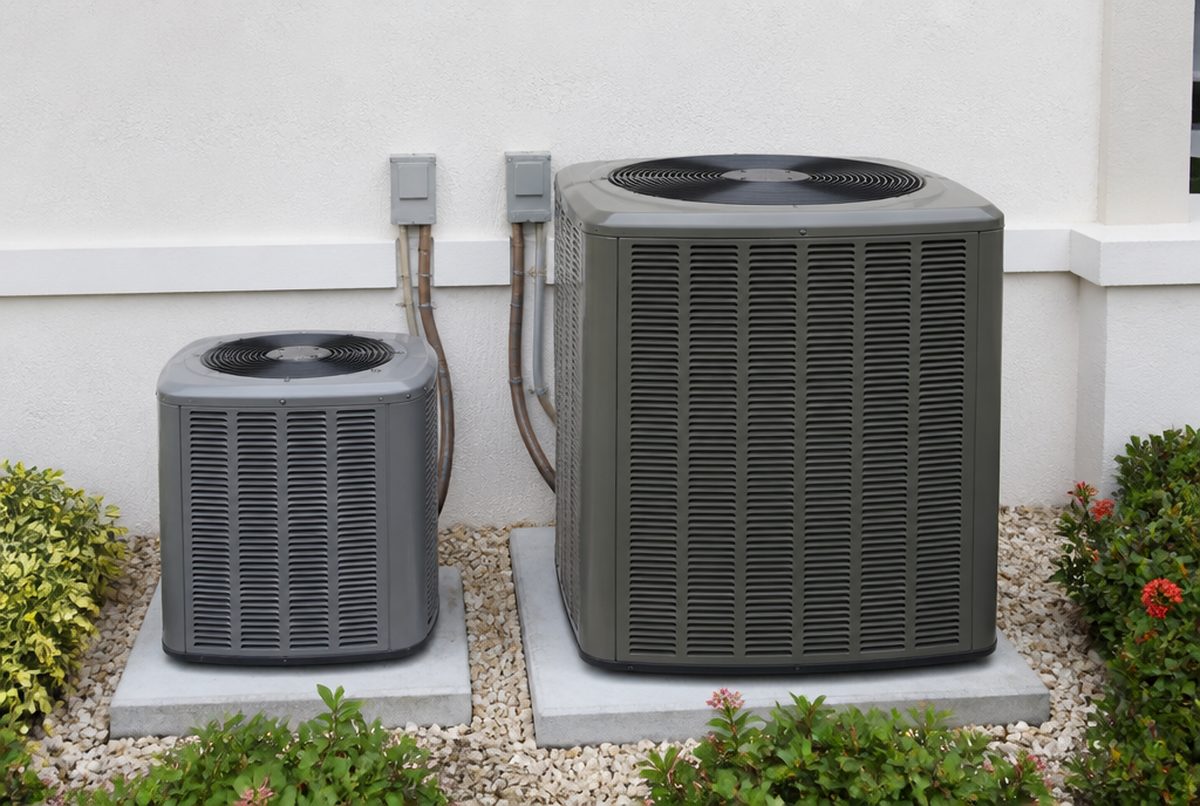
The 14.3 SEER2 minimum in the Southeast, and what it means for your install
Any new split system under 45,000 BTU installed in Florida has to hit at least 14.3 SEER2, and larger split systems 13.8 SEER2. Those are Department of Energy regional standards for the Southeast, in effect since January 1, 2023, and they go by install date, not build date.
So 14.3 SEER2 is a real floor, not a cheap unit. Replacing a builder-grade 10 SEER system from 2008 with even the minimum model sold today is a big drop in energy use. Every quote starts at that same baseline, so your choice is simple: stay at the floor, or step up.
Is a higher SEER2 AC worth it in a high run-time home?
Efficiency pays by the hour, and hours are what Southeast Florida has. A system here runs a large share of the year, so the same efficiency gain covers far more run-time than it would in a house that cools four months a year. Start with what you notice day to day, then look at the money.
Comfort and features. Most homeowners underrate this part. Makers reach higher SEER2 numbers with two-stage and variable-speed compressors, so the higher tiers hold a steadier temperature, run quieter, and even out the rooms that never match the thermostat. Longer low-speed run-times also pull more water out of the air.
Reliability and maintenance. A single-stage unit is the simplest thing we service, with common cheap parts any tech can handle. Higher tiers add inverter boards, sensors, and often a matched thermostat, which cost more when they fail. Both need the same routine AC maintenance, and along the coast, salt air is harder on any outdoor unit than the tier is.
Energy savings. By the rating math, 17 SEER2 cuts cooling energy about 16 percent against the minimum, and 20 SEER2 cuts it about 28 percent. Florida power averaged 15.17 cents per kilowatt-hour in the U.S. Energy Information Administration's Electric Power Monthly (May 2026 data), under the 18.44 cent national average. So if cooling runs you around $1,300 a year, expect roughly $200 back at 17 SEER2 and around $370 at 20 SEER2. Those are estimates, not a promise, and your thermostat setting moves them more than the brand does.
Payback and upfront cost. One tier up usually adds a few hundred to about $1,500 on a South Florida replacement, which puts payback in the low single-digit years. Top-tier variable-speed equipment often adds several thousand, and at Florida rates that stretches payback past a decade, longer than many owners stay. Buy the top tier for the comfort and quiet, and count the savings as a bonus. Every figure here is a general estimate that moves with capacity, brand, duct work, electrical, and permitting, not a quote. Our Florida AC replacement cost guide shows where the money goes.
Here is the SEER2 tier chart, from what you feel down to what you pay.
| What you are comparing | 14.3 SEER2 (minimum) | 16 to 17 SEER2 (mid) | 18+ SEER2 (high) |
|---|---|---|---|
| Comfort and evenness | Noticeable temperature swings | Tighter, holds within a degree or two | Steadiest, rooms match best |
| Typical compressor | Single-stage | Two-stage or entry variable-speed | Variable-speed |
| Noise | Loudest, every cycle starts at full speed | Quieter on the low stage | Quietest most of the time |
| Repair complexity | Simplest, cheapest common parts | Moderate, some electronics | Inverter boards and controls cost more |
| Estimated cooling energy vs. the minimum | Baseline | Roughly 12 to 16 percent less | Roughly 20 to 28 percent less |
| Typical payback on the upgrade | None to calculate | Low single-digit years for most homes | Often past a decade at Florida rates |
| Upfront cost | Lowest | Moderate step up | Highest, commonly several thousand more |
Where the upgrade does not pay. Four cases, and we see all of them. You are selling soon, so the next owner collects the savings. Your ducts leak or your attic is thin on insulation, which throws away whatever the new unit saves (start with our attic insulation cost guide). The home sits empty much of the year, so the run-time never happens. Or the system gets oversized, the mistake we find most often, because an oversized unit short-cycles and never hits its rated efficiency.
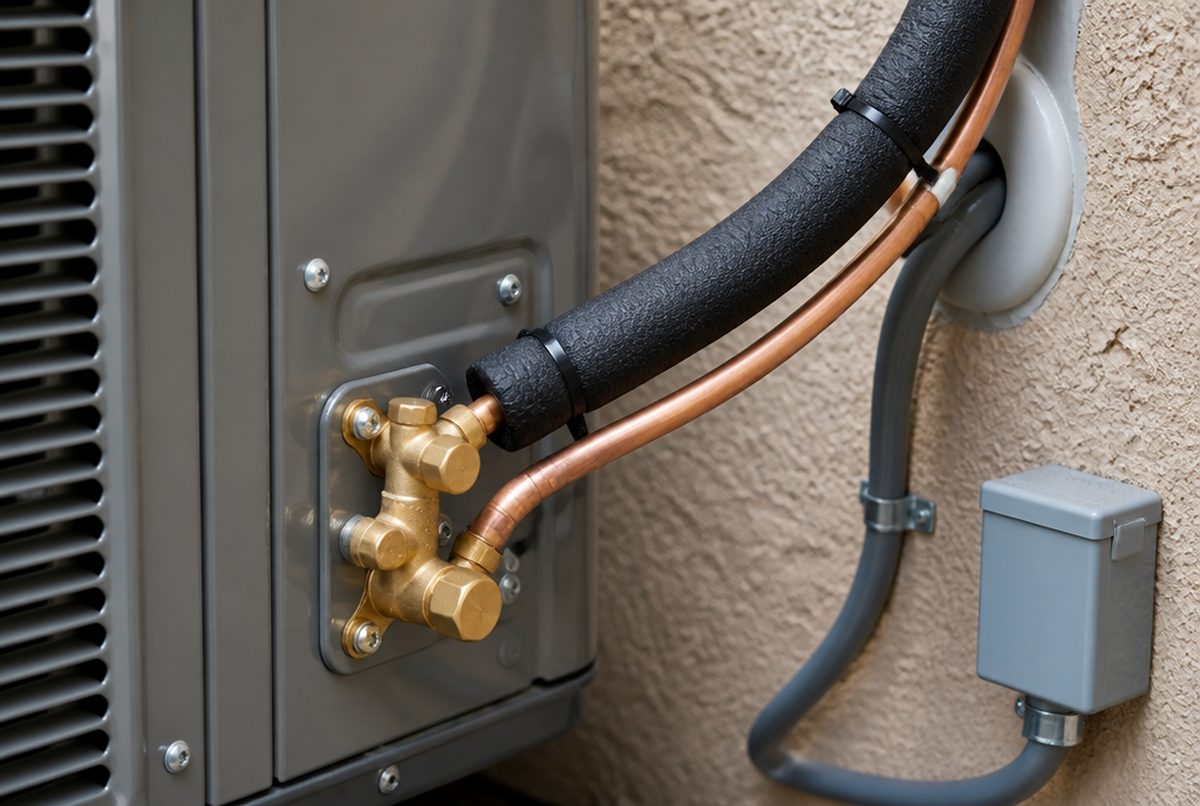
How stage type changes what you feel and what you pay
SEER2 tells you efficiency, and stage type tells you how the system gets there. A single-stage compressor is on at full output or off, so it swings the temperature and starts loud. A two-stage compressor runs low most of the day and jumps to full only in peak afternoon heat. A variable-speed compressor adjusts continuously and holds the setting within about a degree.
The tiers track that ladder: minimum-efficiency units are nearly always single-stage, mid tiers are usually two-stage, and the highest SEER2 numbers come from variable-speed systems. Paying for a higher rating buys the comfort along with the lower bill. Our single-stage vs. variable-speed AC comparison covers how each one runs and what breaks.

Which SEER2 rating is right for your home and budget
Pick the tier by how long you are staying and what is bothering you today.
- 14.3 to 15.2 SEER2, single-stage: the right buy when the budget decides it, when you are selling soon, or for a rental. It is a modern, efficient system and it will cool a Broward home fine.
- 16 to 17 SEER2, two-stage: where most South Florida homeowners should land. Most of the available savings, a real comfort gain, and a payback short enough to matter. ENERGY STAR certification for split systems takes 17.0 SEER2 under criteria effective January 1, 2025, so this tier is where rebate eligibility usually starts.
- 18 SEER2 and up, variable-speed: worth it if you are staying long term, your bills are high, you have a two-story home or rooms that never match the thermostat, or noise bothers you.
Two things decide whether any of it works: sizing calculated from a load on your actual home rather than copied off the old unit, and ducts that are sealed and sized right. Ask for both in writing before you sign.
Florida Breeze HVAC is a licensed HVAC contractor (Florida license CAC1823982) serving Miami-Dade, Broward, and Palm Beach counties, and we install and service systems at every tier, from the 14.3 SEER2 minimum to top-end variable-speed equipment. The upkeep you can safely handle is short: change the filter on schedule, keep the outdoor unit clear of plants and debris, and call when airflow drops. Shut the system off at the thermostat before you touch a filter, and leave anything behind a panel to us, because refrigerant, sealed parts, and electrical work are licensed professional work.
FAQ
Is 14.3 SEER2 good?
Yes. It is the current federal minimum for new split systems under 45,000 BTU in the Southeast, so it is a modern system and a big step up from anything installed 15 years ago. It is the starting point of the range, not the efficient end of it.
What is the difference between SEER and SEER2?
SEER2 is the same efficiency measure tested under higher static pressure, closer to real ductwork. The U.S. Department of Energy put it in effect on January 1, 2023, and the same unit scores about 4 to 5 percent lower on SEER2 than on SEER.
How much can a higher SEER2 AC save in Florida?
By the rating math, 17 SEER2 uses about 16 percent less energy than the 14.3 SEER2 minimum, and 20 SEER2 about 28 percent less. On a home spending $1,300 a year on cooling that is roughly $200 to $370 a year, an estimate that shifts with your rate, thermostat setting, and ductwork.
What is a good SEER2 rating for a South Florida home?
For most homes, 16 to 17 SEER2 is the practical target. It captures most of the realistic savings without the payback stretching past a decade. Go higher when you are staying long term and want the comfort and quiet of variable-speed equipment.
Do higher SEER2 units cost more to repair?
Often yes. Higher tiers use inverter-driven compressors, control boards, and matched thermostats, which cost more than the capacitor and contactor on a single-stage unit. Ask what the labor and parts warranty covers, in writing.
Get a straight answer on your own home
The honest way to settle a SEER2 decision is to price two tiers on your own house, with a real load calculation and a look at your ducts, then compare side by side. We do that across Miami-Dade, Broward, and Palm Beach at no charge. Get a Free Evaluation or call 954-687-8624, and ask for a written, itemized estimate listing equipment model numbers, SEER2 rating, labor, electrical, duct work, and permits before any work starts.
$0 Down Financing
No credit needed. Everyone approved.
Start the work now and pay over time.
954-687-8624Related Articles
Explore Our HVAC Services
Serving Miami, Broward, and Palm Beach, ask about our $0 down financing, no credit needed, everyone approved.
Need HVAC Service?
Florida Breeze HVAC serves Miami, Broward, and Palm Beach with fast, professional service.