If you are looking to lower your AC bill Florida summer 2026, you are not alone. FPL's roughly 2% base rate increase took effect January 1, 2026, peak summer cooling load is already pushing South Florida bills past $200 a month, and the humidity layer makes every cooling-degree feel worse than the thermostat reads. The good news: most of the spend is fixable. This guide walks the actual cost drivers behind your 2026 bill and seven specific moves that bring it back down, without buying a new system.
Why your 2026 AC bill is higher (FPL increase + summer load + humidity)
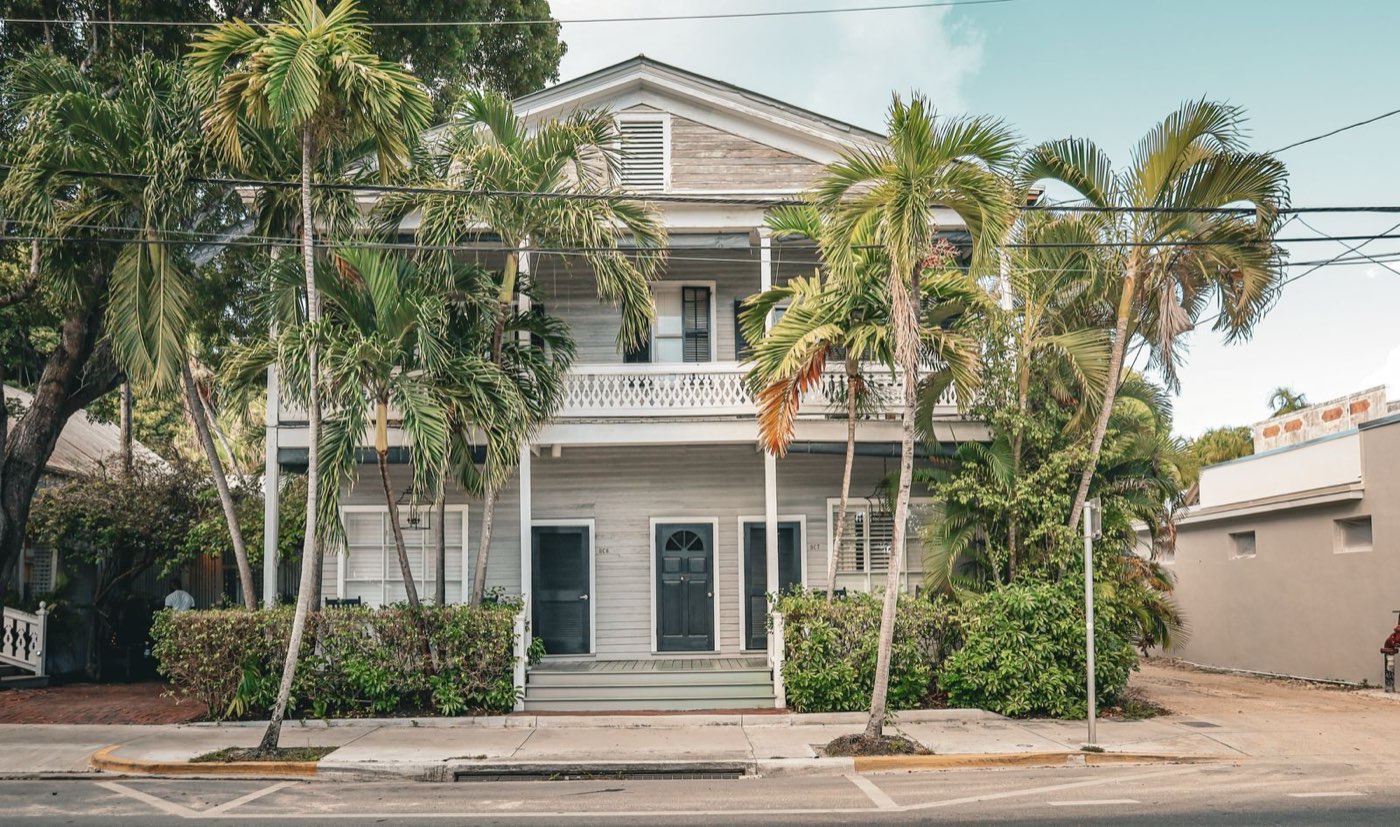
Three things are stacking on top of each other this summer in Miami-Dade, Broward, and Palm Beach.
1. The FPL rate increase 2026. Florida Power & Light's most recent base rate adjustment took effect January 1, 2026, raising the average residential bill by roughly 2% to 4% depending on usage tier. On a $220 July bill that is $5 to $9 a month in straight rate change, small alone, but it stacks on top of fuel cost recovery charges that move with natural gas prices.
2. Peak cooling load. South Florida runs the AC 9 to 12 months a year, and June through September is the punishing stretch. With outdoor highs in the low 90s and overnight lows barely dropping below 80, a typical 3-ton system runs 12 to 16 hours a day. That is roughly double what the same system runs in spring, and the bill scales with it.
3. Humidity is doing half the work. When indoor dew point sits at 70°F+, your AC is spending energy pulling moisture out of the air before it can even start cooling it. A poorly-set thermostat, an oversized unit that short-cycles, or a clogged drain line all force the system to run longer to hit the same setpoint. Humidity, not raw temperature, is what doubles your bill in August.
Add salt-air corrosion on coastal homes (which silently kills condenser efficiency by year 6 to 9) and a dirty filter or coil that almost no one changes often enough, and a $160 May bill becomes a $260 July bill very quickly.
7 practical ways to lower your AC bill this summer
Ranked roughly by impact-per-dollar. Most cost nothing.
1. Set the thermostat for humidity, not temperature
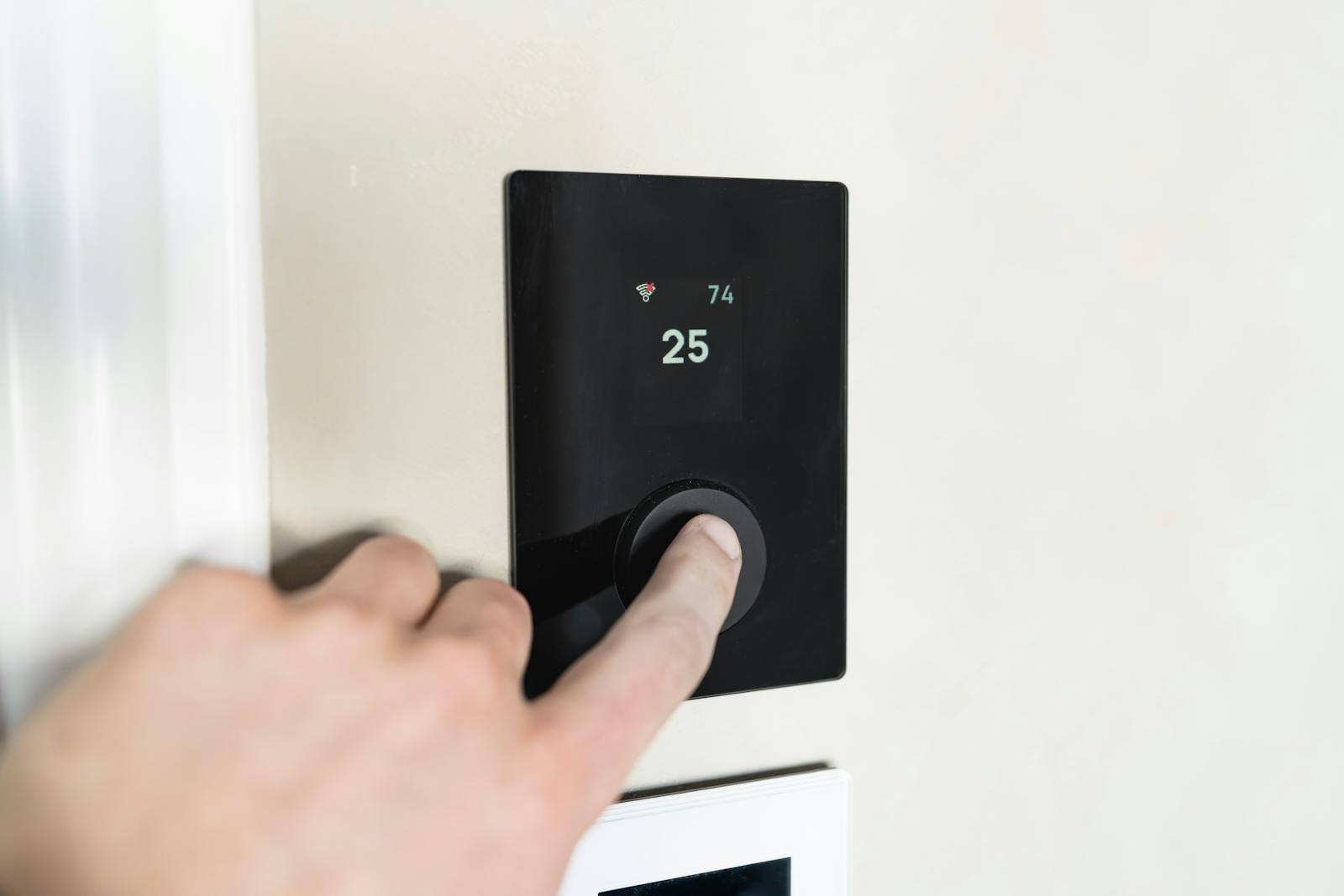
Most South Florida homes run 72°F to 74°F during occupied hours, 76°F to 78°F when you are away or asleep, paired with the AC fan in AUTO mode (never ON). Fan ON re-evaporates moisture off the coil and pushes humidity back into the house. Every degree higher saves roughly 3% on cooling cost, even nudging the setpoint from 71°F to 74°F is a 9% to 12% cut, often $20 to $35 a month on a typical bill. The bigger win is the away-hours setback: letting the house drift to 78°F for 8 work hours saves more than holding 73°F all day.
If your thermostat has a "dry" or "dehumidify" mode, use it on muggy days. If not, see #6.
2. Change the filter every 30 to 45 days
Single highest-ROI move in the house. A clogged filter chokes airflow, drops coil temperature, and forces the system to run 10% to 25% longer for the same cooling. South Florida pollen, dust, and pet dander mean 30 to 45 days, not the 90 days printed on the box. Buy MERV 8 to MERV 11 (not higher, too restrictive for most residential blowers).
3. Get AC maintenance done before peak heat
AC maintenance South Florida is not the same maintenance schedule used in the rest of the country. Year-round runtime, salt air, and humidity mean a tune-up before summer is the difference between a system running at design efficiency and one limping at 75% of it. A proper tune-up, coil clean, refrigerant pressure check, capacitor test, condensate flush, blower amperage, typically pays for itself in one cooling season. Skip it and you are paying the equivalent on the bill instead.
Walkthrough of what a real one includes (and what the $49 specials skip): AC Tune-Up Cost in 2026. Florida-specific maintenance schedule: how often you should service your AC in South Florida.
4. Seal the cool air in (and the hot air out)
Up to 30% of cooled air leaks out of an average Florida home, most of it through attic hatches, recessed lights, leaky duct boots, and unsealed window frames. The 30-minute fixes:
- Run a hand along door and window weatherstripping. Replace anything compressed or cracked.
- Caulk gaps where AC line sets, plumbing, or electrical penetrate exterior walls.
- Foam-gasket the attic access door. This single gap can be 4 square feet of direct attic-to-conditioned-space leak.
- Confirm dryer and bath vents close fully (a stuck flapper pulls hot attic air all summer).
If your attic insulation is the original builder-grade R-19 from a 1980s or 1990s home, you are leaving a lot on the table. See why attic insulation is key to lower cooling costs in Florida for the math.
5. Use ceiling fans, but only in rooms you are in
A ceiling fan does not cool a room. It cools you, by accelerating evaporation off your skin. The trick is to push the thermostat up 2°F to 4°F and let the fan make up the difference. That is a real 6% to 12% bill cut. The catch: turn the fan off when you leave the room. A fan running in an empty room just costs you electricity for no comfort gain.
Set fan direction counter-clockwise (looking up) for summer, that's the airflow-down direction.
6. Schedule cooling around the rate structure and your routine
FPL residential customers on the standard RS-1 rate do not yet have full time-of-use pricing, but the math still works: pre-cool the house in the morning when outdoor temperatures are lower and the AC works less hard, then let the setpoint drift up 2°F to 3°F in the late afternoon when outdoor temps peak. A smart thermostat automates this and typically saves $15 to $40 a month on a $200+ Florida bill.
Other scheduling wins:
- Run the dishwasher, dryer, and oven after 8 p.m. when outdoor temperature drops and your AC is not fighting them.
- Set the bedroom 1°F to 2°F cooler than the living areas during sleeping hours and let the rest of the house warm up.
- Close blinds on west-facing windows from noon to sunset.
If you have not made the upgrade yet, here is the case for it: smart thermostat upgrade, 6 reasons for South Florida homes.
7. Know when SEER2 efficiency means it's time to replace
SEER2 is the federal efficiency rating that replaced SEER in January 2023, with stricter test conditions that better match real-world Florida operation. The 2026 minimum for new residential AC in the South is 14.3 SEER2 (roughly 15 SEER under the old scale), with 16 to 20 SEER2 units widely available and 18+ SEER2 commonly making sense in this climate. Before you pay for the higher number, see whether a higher SEER2 AC is worth the extra cost in a South Florida home.
Quick math: if your existing unit is a 10 SEER builder-grade install from 2008, replacing it with a 17 SEER2 unit cuts cooling cost roughly 40%. On a $220 July bill that's about $90 a month, or $720 across a typical 8-month heavy-use cooling year, a 3.5- to 5-year payback on most installs.
How to decide: see the next section.
How AC maintenance prevents costly summer breakdowns
Most July emergency calls in South Florida trace to two failures: a worn capacitor that finally gave up, or a clogged condensate drain line that tripped the safety float switch. Both are 100% preventable on a tune-up an hour long, done in April or May.
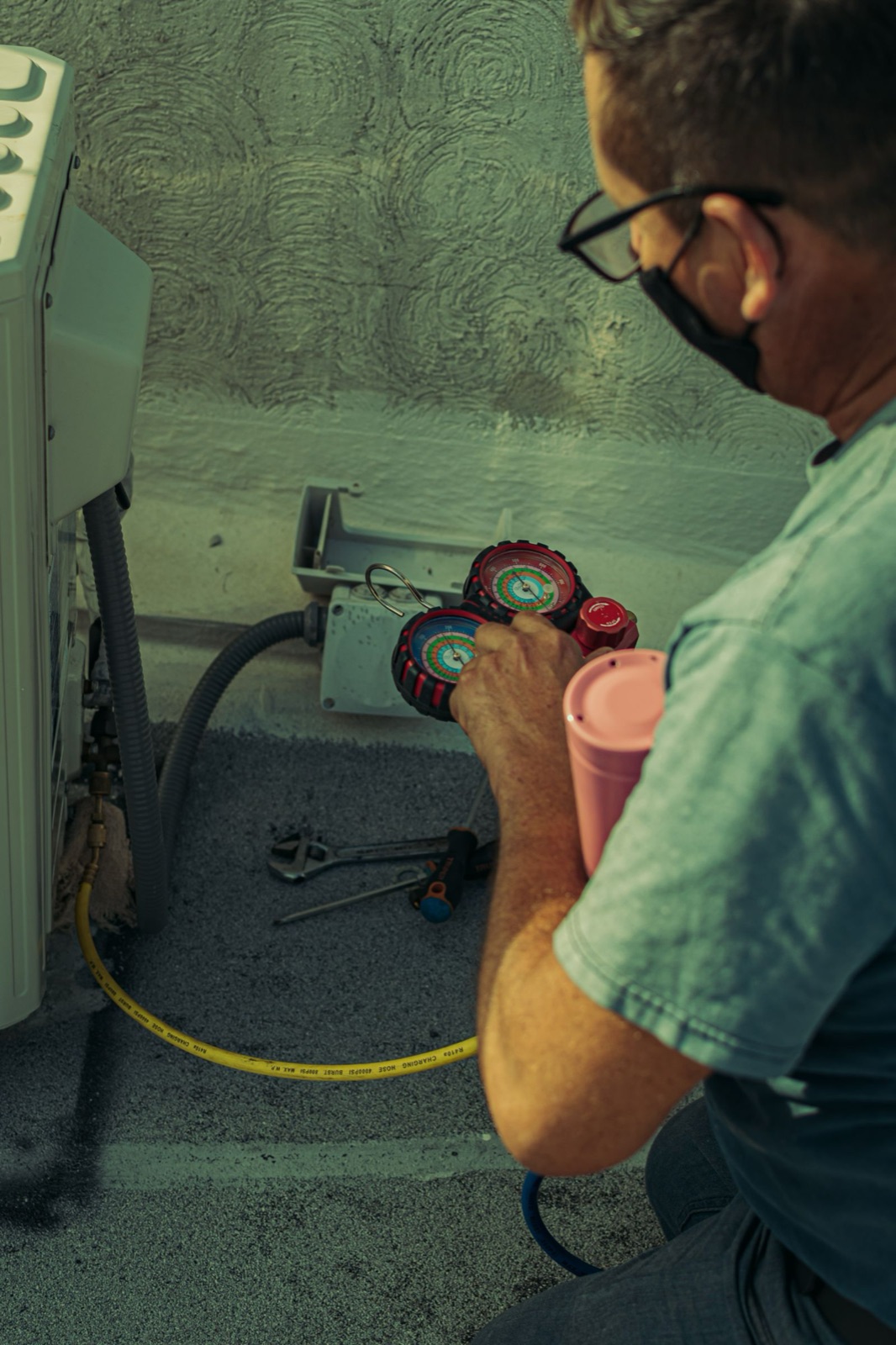
What good AC maintenance South Florida catches before peak heat hits:
- Weak capacitors. The microfarad rating drifts down silently for months before the compressor refuses to start one 95°F afternoon. A $20 part on a tune-up vs. a $1,200 emergency replacement and a hotel room.
- Clogged condensate lines. Florida algae loves the dark, wet drain pan. A flush with bleach or vinegar prevents the shutoff and the ceiling water stain.
- Low refrigerant. A slow leak typically loses 1/2 to 1 pound a season. Once you are 2 pounds low, capacity is shot and the system runs continuously without ever cooling.
- Salt-corroded condenser fins. Coastal homes lose 5% to 15% efficiency per year from fin pitting if the outdoor coil never gets fresh-water rinsed.
- Dirty evaporator coil. Humidity plus biological matter coats the indoor coil within 18 months. Heat exchange drops 15% to 25%. The system has to run that much longer to compensate.
The standard Florida cadence is twice yearly, once before summer, once before the cooling season ends, and a maintenance plan almost always pays for itself the first year. The full breakdown: AC maintenance plan benefits in Florida, or skip to the service page at /ac-maintenance/.
SEER2, age, and the repair-vs-replace decision
Here is the rule we use in South Florida for repair vs replace AC:
- Unit is under 8 years old: almost always repair. Compressor and coil parts are usually under warranty, refrigerant is still R-410A or newer, and SEER2 gain from replacement is small.
- Unit is 9 to 12 years old: case-by-case. Repair if the bill is under $500 and nothing else is failing. Replace if you are facing a compressor or coil failure (the $1,500 to $3,500 range).
- Unit is 13+ years old: almost always replace. Energy savings alone (older 10 SEER vs. modern 16 SEER2) typically pay for the new system in 5 to 7 years. Add in R-22 phaseout pricing on the old refrigerant and the math gets worse for repair every year.
- $5,000 rule: if the proposed repair cost × the unit's age in years is over $5,000, replace. ($800 repair × 10 years = $8,000. Replace.)
The deep-dive walkthrough: should you repair or replace your AC unit? Real Florida pricing on a new system: Florida AC replacement cost, real 2026 pricing.
If you do replace, here's what matters in South Florida specifically: a properly-sized unit (a Manual J calculation, not just "match what was there"), a variable-speed blower for humidity control (here is how single-stage and variable-speed systems compare), and a salt-rated coil if you are within a mile of the ocean.
Quick hurricane-season prep for your outdoor unit
June 1 is the start of Atlantic hurricane season and South Florida is in the path. Five things to do before the first named storm tracks the peninsula:
- Clear three feet around the condenser. Trim shrubs, remove loose pots, stake any potted plants nearby. Anything that can become a projectile in 70 mph winds will hit the condenser fins.
- Confirm hurricane straps. Florida code requires straps anchoring the condenser to the pad. Check that the straps are tight and the pad is intact.
- Photograph the unit. Wide shot plus a close-up of the data plate (model + serial). Critical for insurance claims after wind damage.
- Install a surge protector at the disconnect. $100 to $250 installed. Protects the control board and compressor from lightning surges, which are the #1 storm-season insurance claim for HVAC in Florida.
- Turn the system off at the thermostat and then the breaker before the storm makes landfall. Power flickers as the grid goes down can spike the compressor. After the storm, wait until utility power has been on and steady rather than blinking, then look the outdoor unit over before you switch anything back on.
If wind damage does happen, bent fins, missing top grille, flooded condenser, do not run the unit. Call for an inspection first. Running a flood-damaged condenser typically destroys the compressor within minutes.
For the full version of this, including exactly when to shut down, what never to try after the storm, and which parts of a flooded unit have to be replaced, see our guide on whether to turn off your AC during a hurricane.
The bottom line
The combination of FPL's 2026 rate increase, peak summer load, and Florida humidity has pushed South Florida AC bills 8% to 15% higher than the same month last year for most homes. Almost all of that increase is recoverable: thermostat discipline, a $20 filter, a real tune-up, and air-sealing the attic hatch will cut a typical $240 bill by $50 to $90 a month. If your unit is past year 12 and a 10 SEER builder install, the replacement math gets compelling fast.
Florida Breeze HVAC handles AC tune-ups, repairs, and replacement across Miami-Dade, Broward, and Palm Beach, including the salt-air zones where coastal corrosion shows up first. To get a pre-summer tune-up on the calendar or a no-pressure quote on a higher SEER2 replacement, book a free estimate or call us at 954-687-8624.
$0 Down Financing
No credit needed. Everyone approved.
Start the work now and pay over time.
954-687-8624Related Articles
Explore Our HVAC Services
Serving Miami, Broward, and Palm Beach, ask about our $0 down financing, no credit needed, everyone approved.
Need HVAC Service?
Florida Breeze HVAC serves Miami, Broward, and Palm Beach with fast, professional service.